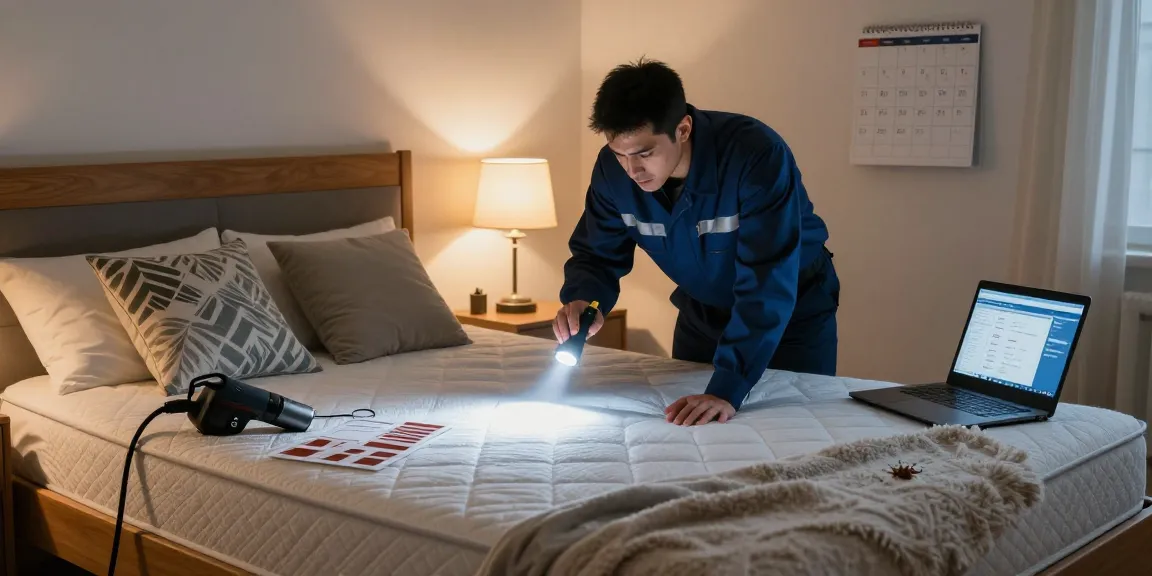
Understanding Bed Bugs: The Growing Problem
Bed bugs have become a significant concern in recent years, especially in urban areas like Milwaukee. These resilient pests are notorious for their ability to infiltrate homes, and their presence can lead to inconvenience, distress, and even financial burdens due to costly extermination treatments. For homeowners and renters alike, understanding the symptoms of infestation and the behaviors of bed bugs is crucial in mitigating their spread. When exploring options, our bed bug exterminator services provide comprehensive insights into effective solutions.
What Are Bed Bugs and How Do They Operate?
Bed bugs, scientifically known as Cimex lectularius, are small, flat, and reddish-brown insects that feed on human blood. They tend to hide in dark, secluded areas close to where humans sleep, making their detection a challenge. Adult bed bugs are typically about the size of an apple seed, and they are most active at night, although they can feed during the day as well if necessary.
Their life cycle includes several stages: egg, nymph, and adult. A single female can lay hundreds of eggs in her lifetime, leading to rapid population growth if not managed promptly. This resilience and reproductive capability highlight the importance of addressing infestations quickly and effectively.
Signs of Infestation: What to Look For
- Itchy, red welts on the skin that typically appear in clusters or lines.
- Small bloodstains on bed linens or mattresses.
- Dark, inky spots or small brown spots on bedding and furniture, indicating bed bug feces.
- Presence of shed exoskeletons, which are clear indicators of molting.
- Unusual odors in the affected area, often described as sweet or musty.
Regular monitoring and inspection of your living spaces, particularly around the seams of mattresses and headboards, can help catch an infestation early, preventing the issue from escalating into a more significant problem.
Common Misconceptions About Bed Bugs
Despite their notoriety, there are several misconceptions surrounding bed bugs. Many people believe that bed bugs are only found in dirty homes, which is false. Bed bugs can thrive in any environment, including clean and well-maintained homes, as long as there are humans available for feeding. Additionally, some believe that DIY solutions are sufficient for controlling infestations, but these methods often fail to eliminate them completely. Professional extermination remains the most effective long-term solution.
Evaluating Your Situation: When to Call a Bed Bug Exterminator
Signs You Need a Professional Bed Bug Exterminator
If you notice signs of bed bug activity, such as unexplained bites or visible bugs, it is essential to act quickly. Ignoring these signs can lead to a more extensive infestation, making eradication more challenging and costly. Additionally, if you find yourself conducting multiple DIY treatments without success, it’s time to consult a professional.
DIY vs. Professional Treatments: An In-Depth Comparison
DIY treatments may include over-the-counter sprays, powders, or natural remedies. While some may provide temporary relief, they rarely tackle the root cause of the infestation. In contrast, professional exterminators utilize commercial-grade products and advanced techniques that target all life stages of bed bugs. This thorough approach ensures a higher success rate and mitigates the risk of re-infestation.
Choosing the Right Bed Bug Exterminator: Key Factors
When selecting a bed bug exterminator, consider the following factors:
- Experience: Look for a company with a proven track record in bed bug extermination.
- Methods: Ensure they use effective and safe treatment options, including heat and chemical treatments.
- Customer Reviews: Seek out testimonials and reviews from past clients to gauge satisfaction and effectiveness.
- Post-Treatment Support: A good exterminator should offer follow-up inspections and support to monitor any potential re-infestation.
Effective Treatment Options: What Works Best?
Bed Bug Heat Treatment: Benefits and Process
Heat treatment is an increasingly popular method due to its effectiveness and eco-friendliness. This method involves raising the temperature in the infested areas to a level that is lethal to bed bugs at all life stages, including eggs. The process requires careful preparation, ensuring that all areas are heated uniformly to eliminate any hidden pests.
One significant advantage of heat treatment is that it also helps eliminate other allergens, such as dust mites, improving the overall environment for residents with allergies or asthma.
Chemical Treatments: What You Should Know
Chemical treatments involve the application of specialized insecticides that create a residual barrier, lasting up to 120 days. While this method requires careful preparation and monitoring, it can effectively target bed bugs hiding in difficult-to-reach areas. It’s crucial to follow the instructions provided by pest control professionals to ensure safety and efficacy during the treatment process.
Combination Treatments: Maximizing Effectiveness
Combining heat and chemical treatments typically yields the best results. This synergistic approach maximizes coverage and effectiveness, ensuring that all life stages of bed bugs are eradicated. It’s imperative to consult with professionals to develop a tailored treatment plan that addresses the unique aspects of your infestation.
Preventing Future Infestations: Best Practices
Regular Monitoring and Inspection Techniques
Establishing a routine inspection process can help identify potential infestations early. Regularly check bedding, furniture, and travel items after trips to ensure that bed bugs have not made their way into your home. Consider using encasements for mattresses and box springs, which can create a barrier that protects against infestations.
How to Safely Travel Without Bringing Bed Bugs Home
When traveling, it’s essential to take precautions to prevent bed bugs from hitching a ride. Always inspect hotel rooms upon arrival, keeping luggage off the floor and using luggage racks. After your trip, wash all clothing in hot water and vacuum your suitcase before storing it.
Maintaining a Bed Bug-Free Environment in Your Home
Maintaining cleanliness is critical in preventing bed bugs. Regularly vacuum your home, focusing on areas where bed bugs are known to hide. Declutter your living space to minimize hiding spots and consider using bed bug detectors to monitor areas for any signs of activity.
Looking Ahead: The Future of Bed Bug Control
Trends in Pest Control Technology for 2026
As we move into 2026, advancements in pest control technology continue to evolve. Innovations such as smart monitoring systems and targeted pheromone traps offer promising new approaches for bed bug management. These technologies can provide real-time insights into bed bug activity, allowing for quicker responses to emerging infestations.
Expert Predictions on Bed Bug Resistance
As pest control methods evolve, so do bed bugs. Experts predict potential resistance to certain treatments, especially with over-reliance on chemical options. This underscores the importance of integrated pest management strategies that combine different methods for sustained effectiveness.
What You Can Expect from Future Extermination Services
Future extermination services will likely emphasize a holistic approach to bed bug management. This includes focused education for clients on prevention strategies and improved communication regarding treatment processes. Enhanced customer service and support will also be pivotal in ensuring client satisfaction and confidence in pest control methods.
Frequently Asked Questions
Is an exterminator worth it for bed bugs?
Investing in a professional bed bug exterminator is often worth the cost, as these pests can cause significant damage and distress. A professional’s expertise and use of advanced treatment methods provide a level of assurance and effectiveness that DIY solutions rarely match.
Can an exterminator completely get rid of bed bugs?
While complete eradication is achievable, it requires diligence and sometimes multiple treatments to ensure all life stages of bed bugs are eliminated. Working with experienced professionals increases your chances of a successful removal.
What kills bed bugs instantly?
High temperatures and specific chemical treatments can kill bed bugs quickly on contact. Knowing which methods to employ is best done through consultation with a pest control professional who understands the nuances of effective bed bug extermination.