Understanding OK68: The Basics of Welding Electrodes
Welding is a critical process in various industries, from construction to manufacturing, where the fusion of metals is essential for structural integrity and durability. Among the many electrodes used in welding, OK68 has gained recognition for its versatility and performance. In this article, we will delve into the intricacies of OK68 welding electrodes, exploring their properties, applications, and preparation techniques, ensuring that welders can maximize the potential of this remarkable tool. When exploring options, OK68 provides comprehensive insights that can enhance welding practices.
What is OK68?
OK68 refers to a specific type of welding electrode known for its high alloy content and versatility in various welding processes. Developed with stainless steels in mind, OK68 electrodes are designed to offer welders the ability to create strong, durable joints in challenging conditions. These electrodes come with a coating that facilitates smooth arc stability, excellent bead appearance, and minimal spatter, making them suitable for a range of applications. The electrode is particularly noted for its performance in welding dissimilar metals and withstanding high-temperature applications.
Applications and Industries
OK68 electrodes are utilized across numerous sectors, including:
- Manufacturing: Used for fabricating components where strength and resistances, such as corrosion, are vital.
- Construction: Ideal for structural welding, especially in environments that face high stress and varying temperatures.
- Shipbuilding: Applications often include high-strength materials that require robust welds to ensure safety and durability.
- Oil and Gas: Employed in pipelines and refineries due to their resistance to corrosion from harsh chemical environments.
Properties of OK68 Electrodes
Understanding the properties of OK68 electrodes helps in selecting the right type for specific jobs. Key attributes include:
- High alloy content: This feature provides superior mechanical properties and resistance to wear.
- Versatility: Suitable for both flat and vertical welding positions, making it adaptable to various project requirements.
- Excellent corrosion resistance: Essential for applications in aggressive environments.
Preparing for Welding with OK68: Essential Techniques
Preparation is crucial for successful welding outcomes. By ensuring that the right techniques are employed, welders can enhance the performance of OK68 electrodes and improve the quality of their welds.
Choosing the Right Equipment
To maximize the effectiveness of OK68, it is essential to select equipment that matches the electrode specifications. This includes:
- Welding Machine: A suitable welding machine with adjustable settings can help accommodate the unique properties of OK68.
- Electrode Holder: Use a holder that securely grips the electrode while allowing for easy manipulation during the welding process.
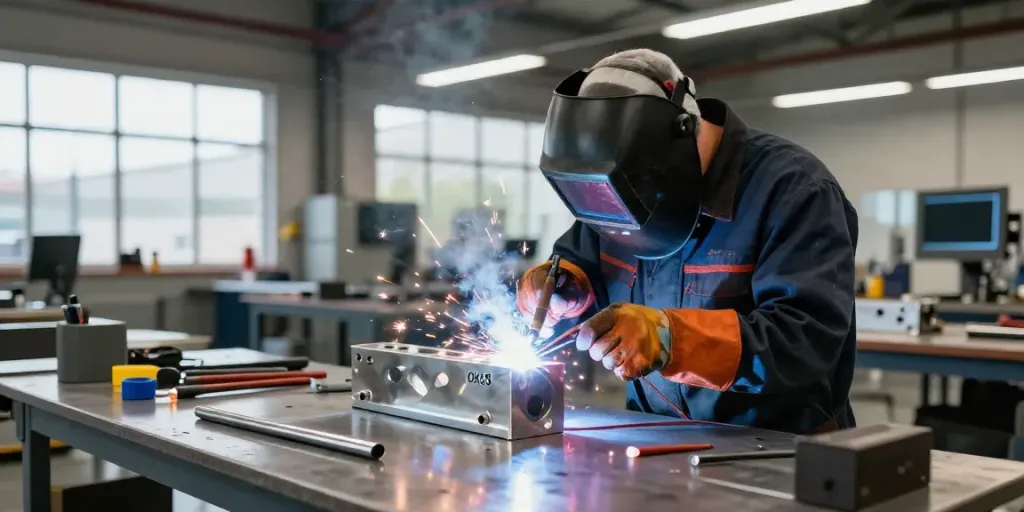
- Personal Protective Equipment (PPE): Safety gear, including gloves, helmets, and aprons, must be used to protect against sparks and fumes.
Safety Precautions and Best Practices
Safety should always be paramount in welding operations. Best practices for working with OK68 include:
- Ventilation: Ensure proper ventilation to mitigate harmful fumes and gases generated during the welding process.
- Fire Safety: Keep flammable materials away from the welding area and be equipped with fire extinguishing tools.
- Proper Training: Welders should undergo training to understand techniques and safety measures pertinent to working with OK68.
Pre-Welding Preparation Steps
Proper preparation before welding is essential for achieving optimal results. Key steps include:
- Cleaning the Surface: Remove any rust, paint, or oil from the metal surfaces to be welded.
- Inspecting Equipment: Regular checks of the welding machine and electrode holder to ensure functionality.
- Practicing Techniques: Conducting practice runs can help familiarize the welder with the electrode and machine settings.
Mastering the Welding Process with OK68
Once preparation is complete, mastering the welding process is the next critical step to ensure high-quality outcomes.
Step-by-Step Welding Techniques
When using OK68 electrodes, the following step-by-step process can guide welders:
- Set Up the Workspace: Prepare a clean and organized workspace that adheres to safety regulations.
- Adjust Machine Settings: Set the amperage and voltage according to the specifications of the OK68 electrode.
- Strike the Arc: Initiate the welding by striking the arc at a 15-degree angle for optimal penetration.
- Maintain Consistent Speed: Move the electrode at a steady pace to ensure even bead formation and minimize defects.
- Inspect the Weld: Check for uniformity and consistency in the weld bead upon completion.
Common Challenges and How to Overcome Them
Welders may encounter challenges while using OK68 electrodes, including:
- Porosity: Caused by moisture or contaminants; this can be remedied by ensuring a clean work surface and dry electrodes.
- Inconsistent Bead Appearance: Can occur due to improper angle or speed; practicing technique can help achieve uniformity.
- Under-cutting: Prevent this by adjusting arc length and travel speed to ensure a good fusion of materials.
Testing and Quality Control
After welding, conducting thorough testing is essential for quality assurance. Common testing methods include:
- Visual Inspection: Check for surface defects or irregularities.
- Destructive Testing: Engaging in tensile testing or bend tests ensures weld integrity under stress.
- Non-destructive Testing: Techniques like ultrasonic testing can identify internal flaws without compromising the weld.
Advanced Applications of OK68 in Welding
As technology advances, the applications of OK68 electrodes continue to evolve, opening new doors for innovation in welding processes.
Innovative Welding Techniques
Among the latest techniques in welding, some noteworthy methods utilizing OK68 include:
- Automated Welding: Robotics and automation are integrating with OK68 to enhance precision and efficiency in high-demand environments.
- Hybrid Welding: Combining traditional arc welding with laser techniques to improve penetration and reduce distortion.
- Cold Welding: Employing a process that utilizes pressure and no heat, suitable for certain grades of steel.
Case Studies of Successful OK68 Applications
Real-world examples highlight the effectiveness of OK68 electrodes:
- Shipbuilding: A notable shipyard implemented OK68 for constructing hulls, resulting in enhanced strength against harsh marine environments.
- Oil Refining: A large refinery utilized OK68 in pipeline welding, achieving durable joints that withstand corrosive substances.
Future Trends in Welding Technologies
As we look forward to 2026, the future trends in welding will likely incorporate:
- AI and Machine Learning: Leveraging AI to optimize welding parameters in real-time, increasing efficiency and reducing errors.
- Smart Welding Equipment: Innovations in equipment that self-regulate based on environmental conditions and materials being welded.
- Sustainability Focus: Increased emphasis on eco-friendly welding processes and materials, including recycled metals.
Measuring Success with OK68: Performance Metrics
Establishing metrics for success is vital in evaluating the efficacy of OK68 welding processes and the performance of welders.
Key Performance Indicators for Welders
Key performance indicators (KPIs) that should be measured include:
- Weld Quality: Assessing the integrity of welds using non-destructive testing methods.
- Productivity Rate: Evaluating the number of successful welds completed in a specified timeframe.
- Equipment Downtime: Monitoring the time lost due to equipment malfunctions or maintenance.
Continuous Improvement through Feedback
Feedback loops are essential for fostering improvement. Regularly obtaining feedback from supervisors and peers can identify areas needing enhancement, leading to better practices and performance.
Success Stories: Welders Mastering OK68
Highlighting success stories of welders who have mastered OK68 can motivate and inspire others in the profession. These stories often showcase:
- Innovative techniques that resolved specific challenges in welding.
- Pathways to achieving industry certifications and recognitions.
- Contributions to significant projects that utilized OK68 effectively.