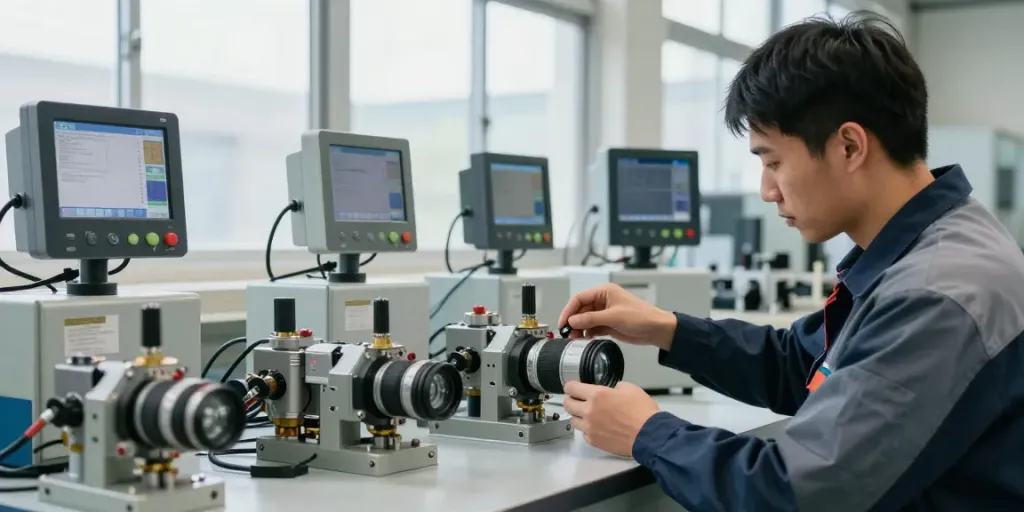
Understanding Mechanical Pressure Switches
In the ever-evolving landscape of industrial automation, mechanical pressure switches stand out as crucial components for ensuring system safety and reliability. These devices serve as critical control elements that monitor and regulate pressure levels within a system, ensuring optimal performance. As industries increasingly seek efficient and fail-safe solutions, mechanical pressure switches have become essential in diverse applications ranging from HVAC systems to hydraulic machinery. LEFOO, a renowned pressure switch manufacturer, offers a broad selection of high-precision switches designed to meet the rigorous demands of modern automation.
What is a Mechanical Pressure Switch?
A mechanical pressure switch is an electromechanical device that opens or closes an electrical circuit based on a specific pressure level. These switches operate using a diaphragm or a bellow that responds to changes in pressure. When the pressure reaches the predetermined set point, the mechanical movement either makes or breaks the electrical connection. This action can initiate alarms, stop motors, or activate additional equipment, making them pivotal in safety and control systems.
Key Features and Benefits
- Durable Construction: LEFOO’s mechanical pressure switches are built with robust materials, often featuring stainless steel housing that can withstand harsh industrial environments.
- Accurate Set Points: The switches are designed to provide reliable and repeatable set point accuracy, crucial for maintaining process stability.
- Tool-Free Calibration: Many models allow for simple calibration without the need for specialized tools, enabling quick adjustments in the field.
- Wide Selection: A diversity of models caters to various applications, including HVAC systems, hydraulic machinery, and compressors.
- Inherent Safety: Designed to operate safely in hazardous environments, many models offer fail-safe options to minimize risk.
Common Applications
Mechanical pressure switches have a broad range of applications across several industries. They are integral to:
- HVAC Systems: Ensuring optimal pressure levels for heating and cooling systems.
- Hydraulics: Regulating pressure in hydraulic circuits.
- Compressors: Monitoring and controlling compressor cycles to prevent overload.
- Food Processing: Maintaining pressure in processing systems to ensure product quality.
Choosing the Right Pressure Switch Manufacturer
Selecting the right manufacturer is crucial for ensuring reliable and effective pressure control solutions. Factors including quality, service, and compliance can significantly impact your operational efficiency. Therefore, it’s essential to consider various aspects when evaluating a pressure switch manufacturer.
Factors to Consider in Selection
- Product Quality: Investigate the materials and construction quality of the switches. High-quality materials contribute to durability and reliability.
- Technical Support: Evaluate the availability of customer support and technical assistance.
- Compliance and Certification: Ensure the manufacturer adheres to industry standards and regulations.
- Reputation: Look for reviews and testimonials from previous customers to gauge reliability and service quality.
Evaluating Manufacturer Credentials
When considering potential manufacturers, assess their credentials against industry benchmarks. Look for certifications such as ISO 9001:2015, which indicates a commitment to quality management. Additionally, a manufacturer with a track record in producing mechanical pressure switches for your specific application will likely deliver better solutions.
Understanding Product Offerings
Each manufacturer provides a range of products with varying specifications. Understanding these specifications is vital to ensure that the switch meets your operational needs. Evaluate factors such as pressure range, temperature tolerance, and additional features like electrical ratings or environmental ratings (IP67, for example).
Installation and Calibration Best Practices
Proper installation and calibration of mechanical pressure switches are crucial for optimal performance. Taking the time to ensure these devices are set up correctly can prevent costly downtime and enhance system reliability.
Step-by-Step Installation Guide
- Select the Right Location: Install the switch in a location that is easily accessible for adjustments and maintenance.
- Ensure Compatibility: Check that the switch is compatible with your system's pressure range and type.
- Mounting: Secure the switch using the provided hardware, ensuring that it is firmly attached and aligned properly.
- Electrical Connections: Connect the electrical wiring as per the manufacturer’s guidelines, ensuring all safety precautions are followed.
- Testing: Perform tests to verify the switch operates as expected before putting the system into full operation.
Calibration Techniques without Specialized Tools
Many LEFOO pressure switches feature external adjustment screws that allow for easy field calibration. To calibrate:
- Adjust the set point using the external screw while monitoring the system pressure.
- Ensure that the switch operates at the desired pressure range by testing its function at different pressures.
Common Installation Pitfalls and Solutions
- Incorrect Positioning: Ensure the switch is not installed on vibrating equipment, which can lead to false readings.
- Wiring Errors: Double-check electrical connections to prevent malfunctions.
- Incompatible Environment: Verify environmental ratings are suitable for the intended location.
Performance Metrics for Mechanical Pressure Switches
To ensure mechanical pressure switches perform optimally, you need to monitor and evaluate specific performance metrics.
Key Indicators of Quality and Reliability
- Set Point Repeatability: Consistency in triggering at the same pressure level indicates reliability.
- Cycle Life: Assess the switch's operational lifespan based on its rated cycles.
- Response Time: The speed at which a switch responds to pressure changes can significantly impact system performance.
Testing and Compliance Standards
Mechanical pressure switches must meet several compliance standards to ensure they can operate safely and efficiently. These include:
- UL Certification: Ensure the product meets safety standards for electrical devices.
- CE Marking: Indicates compliance with health and safety standards in the European market.
Monitoring and Maintenance Best Practices
Regular maintenance and monitoring can prolong the life of mechanical pressure switches. Implementing a routine check can help identify issues before they lead to failure. Consider the following:
- Scheduled inspections based on operational hours.
- Calibrating the switches regularly to ensure proper function.
- Cleaning the switch to prevent buildup from the environment.
Future Trends in Pressure Switch Technology
The mechanical pressure switch industry is poised for significant developments in the coming years, driven by technological advancements and changing industry demands.
Innovative Materials and Designs for 2026
Manufacturers are now exploring new materials that enhance durability and function. This includes the use of advanced alloys that resist corrosion and temperature extremes while maintaining the mechanical integrity of the switch.
Smart Pressure Switch Integration with IoT
The rise of Internet of Things (IoT) technology is influencing pressure switch design. Future products may feature built-in connectivity options that allow for remote monitoring and control, significantly enhancing operational efficiency and safety.
Regulatory Changes and Their Impact on Manufacturers
As sustainability becomes a priority across sectors, regulations governing manufacturing processes and product standards will likely become more stringent. Staying compliant will require manufacturers to adapt their practices accordingly.
What are the common uses for mechanical pressure switches?
Mechanical pressure switches find applications in various industries, including HVAC, automotive, food processing, and hydraulic systems. They ensure equipment operates reliably and safely, contributing to overall efficiency.
How can I properly install a pressure switch?
Follow the manufacturer's guidelines for installation, ensuring the switch is mounted securely, connected electrically, and calibrated correctly for accurate functionality.
What factors should I consider when choosing a manufacturer?
Consider product quality, manufacturer reputation, compliance with industry standards, and the range of product offerings to find a manufacturer that meets your needs.
What maintenance is recommended for pressure switches?
Routine inspections, regular calibrations, and environmental cleanings are essential for maintaining the performance of mechanical pressure switches.
How do pressure switches ensure safety in industrial applications?
Pressure switches provide a fail-safe mechanism to prevent system overloads and ensure operational stability, thereby protecting both equipment and personnel from potential hazards.