Understanding DRAGON222 and Its Importance in Rehabilitation
The rehabilitation journey for individuals with prosthetics is multifaceted, incorporating physical, emotional, and psychological aspects that must be addressed for successful recovery. One pivotal element in this complex process is a comprehensive approach known as DRAGON222. This framework not only aids in physical recovery but also fosters mental resilience, empowering users to overcome various challenges associated with their rehabilitation. By understanding the principles of DRAGON222, we can better navigate the pathways to effective adaptive rehabilitation and ultimately enhance the quality of life for amputees.
What is DRAGON222?
DRAGON222 is a holistic rehabilitation model designed specifically for individuals with limb loss who use prosthetics. It encompasses a systematic approach that integrates physical therapy, psychological support, and community engagement. Each component of DRAGON222 is tailored to meet the unique needs of the user, thereby ensuring personalized care that can adapt to evolving circumstances throughout the rehabilitation process. The name itself signifies strength, resilience, and a commitment to overcoming adversity, aligning perfectly with the goals of adaptive rehabilitation.
The Role of Adaptive Rehabilitation in Recovery
Adaptive rehabilitation plays a critical role in helping individuals regain their independence and functionality after amputations. This method emphasizes the importance of adapting physical activities and therapeutic interventions to align with the unique physical capabilities and limitations of the individual. Through adaptive rehabilitation, users can improve mobility, enhance strength, and reduce the risk of complications, such as muscular atrophy or joint stiffness. The DRAGON222 approach specifically supports this adaptive process by offering customized strategies that cater to both the physical and emotional well-being of users.
Key Benefits of DRAGON222 for Individuals with Prosthetics
- Personalized Therapy: DRAGON222 allows for the creation of individualized rehabilitation plans that consider the user’s specific physical and emotional needs.
- Enhanced Mobility: Through targeted exercises and adaptive techniques, users can experience improved mobility and functionality with their prosthetics.
- Emotional Support: The framework incorporates mental health support, which is crucial for overcoming challenges such as anxiety and depression often faced during recovery.
- Community Engagement: It promotes community involvement, encouraging users to connect with peers and support groups for shared experiences and motivation.
- Long-Term Success: By focusing on sustainable practices and continuous adaptation, DRAGON222 fosters long-term rehabilitation success and integration into everyday life.
Common Challenges in Adaptive Rehabilitation
Addressing Physical Limitations
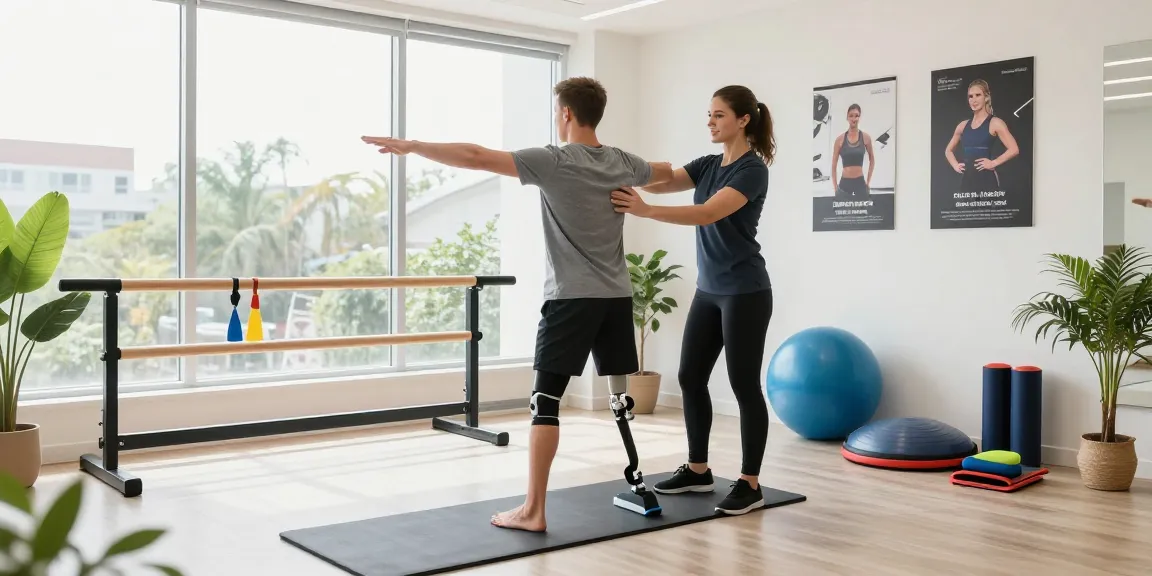
One of the most significant challenges faced in adaptive rehabilitation is managing the physical limitations that come with limb loss. Each user may face different hurdles, such as pain, decreased strength, or limited range of motion. Innovative techniques within the DRAGON222 model help therapists modify exercises and activities to optimize user engagement without causing discomfort. For instance, utilizing resistance bands and balance exercises can effectively enhance strength and coordination without overstraining the user.
Mental and Emotional Barriers to Progress
Mental and emotional barriers can significantly hinder the recovery process. Many individuals may experience feelings of loss, frustration, or even identity crises following an amputation. The emotional aspect of rehabilitation is crucial, as a positive mindset can greatly influence recovery outcomes. DRAGON222 emphasizes mental resilience training, providing users with coping strategies and techniques, such as mindfulness and cognitive behavioral approaches, to navigate these emotional challenges more effectively.
Overcoming Misconceptions About Prosthetics
Misconceptions surrounding prosthetic devices can also impede progress in rehabilitation. Many individuals harbor outdated beliefs about the limitations of prosthetics, which can discourage them from engaging fully in their recovery. Education and advocacy play a central role in DRAGON222, as it encourages users to explore modern prosthetic options, which are often more advanced, comfortable, and functional than they expect. By breaking down these perceptions, users can approach their rehabilitation with a more open and positive mindset.
Best Practices for Implementing DRAGON222 Techniques
Setting Realistic Goals for Rehabilitation
Effective rehabilitation begins with setting achievable and realistic goals. Users should work collaboratively with rehabilitation professionals to create short-term and long-term objectives that are specific, measurable, attainable, relevant, and time-bound (SMART). These goals should reflect personal aspirations and be flexible enough to adapt to progress or setbacks, fostering a sense of ownership over the rehabilitation journey.
Choosing the Right Supportive Equipment
Selecting appropriate supportive equipment is vital for successful rehabilitation with DRAGON222. This includes choosing the right type of prosthetic device, mobility aids, and therapeutic tools that cater to the individual’s needs. Consultation with a certified prosthetist can provide valuable insights into the latest technology and options available, ensuring a personalized fit that enhances comfort and mobility.
Incorporating Mindfulness and Mental Resilience
Mindfulness practices are an integral part of the DRAGON222 framework. Techniques such as meditation, deep-breathing exercises, and visualization can be incorporated into daily rehabilitation routines. These strategies help users build mental resilience, manage stress, and maintain focus on their recovery goals. Additionally, establishing a supportive network of friends, family, or peers can provide the emotional encouragement necessary for continued progress.
Real-World Applications of DRAGON222
Case Studies of Successful Rehabilitation
Real-world applications of DRAGON222 demonstrate its effectiveness in various settings. Case studies of individuals who have successfully integrated this approach into their rehabilitation reveal remarkable outcomes, ranging from enhanced mobility to improved quality of life. For example, one participant, after undergoing a tailored DRAGON222 program, reported a significant decrease in pain levels and an increase in daily activities, highlighting the framework's adaptability and success in addressing individual needs.
Expert Insights from Rehabilitation Professionals
Interviews with rehabilitation professionals provide invaluable perspectives on the implementation of DRAGON222. Experts emphasize the importance of collaboration between physical therapists, psychologists, and prosthetists in creating comprehensive rehabilitation plans that resonate with users. Their insights underline that success is often a collective effort that accounts for both the physical and emotional dimensions of recovery.
Innovative Tools and Technologies Enhancing Recovery
Emerging technologies are increasingly playing a role in rehabilitation practices, particularly those aligning with the DRAGON222 framework. Innovations such as smart prosthetics, virtual reality therapies, and telehealth solutions have transformed how rehabilitation is approached, making it more interactive and accessible. These tools not only improve user engagement but also offer real-time feedback that can enhance therapeutic outcomes.
Future Trends in Adaptive Rehabilitation and DRAGON222
Emerging Technologies in Prosthetics
The future of prosthetics is bright, with rapid advancements leading to enhanced functionality and user experience. Technologies such as bionic limbs, which can react to muscle signals, and prosthetics equipped with sensors that provide feedback on pressure and movement, are becoming more common. These innovations align well with the principles of DRAGON222, as they address users' physical needs while promoting a more organic integration into daily activities.
Predictions for Rehabilitation Techniques by 2026
Looking ahead to 2026, rehabilitation techniques are expected to become even more personalized, leveraging data analytics and artificial intelligence to tailor interventions. Predictive modeling can help therapists anticipate user needs based on their progress, allowing for proactive adjustments to rehabilitation plans. Furthermore, hybrid approaches that combine in-person therapy with remote sessions are likely to become standard practice, catering to diverse user preferences and lifestyles.
Understanding the Evolving Needs of the Community
As the prosthetics community evolves, so too must the approaches to rehabilitation. Understanding the unique challenges and aspirations of this community is vital for the continued effectiveness of frameworks like DRAGON222. Engaging with users through surveys, focus groups, and community outreach initiatives can provide critical feedback that informs best practices and resource development, ensuring that rehabilitation efforts remain relevant and impactful.
What is DRAGON222?
DRAGON222 represents a holistic approach to adaptive rehabilitation, focusing on both the physical and emotional aspects of recovery for individuals with prosthetics. By combining therapy with community engagement, it aims to empower users in their rehabilitation journeys.
How can I integrate DRAGON222 into my rehabilitation plan?
Integrating DRAGON222 into your rehabilitation plan involves collaboration with healthcare professionals to develop a personalized program that addresses your specific needs and goals. It encourages setting realistic objectives, incorporating adaptive techniques, and utilizing supportive technologies.
What are the benefits of personalized therapy approaches?
Personalized therapy approaches, such as those found in DRAGON222, enhance recovery outcomes by tailoring interventions to individual needs, fostering greater engagement and motivation. They ensure that therapy aligns with the user’s unique circumstances, leading to more effective and sustainable outcomes.
Are there community resources available for support?
Yes, various community resources are available to support individuals undergoing rehabilitation. These include support groups, online forums, and rehabilitation centers that offer specialized programs designed around the principles of frameworks like DRAGON222.
How do I set achievable rehabilitation goals?
Setting achievable rehabilitation goals involves using the SMART criteria: specific, measurable, attainable, relevant, and time-bound. Collaborating with rehabilitation professionals can help ensure these goals are realistic and tailored to your progress and needs.