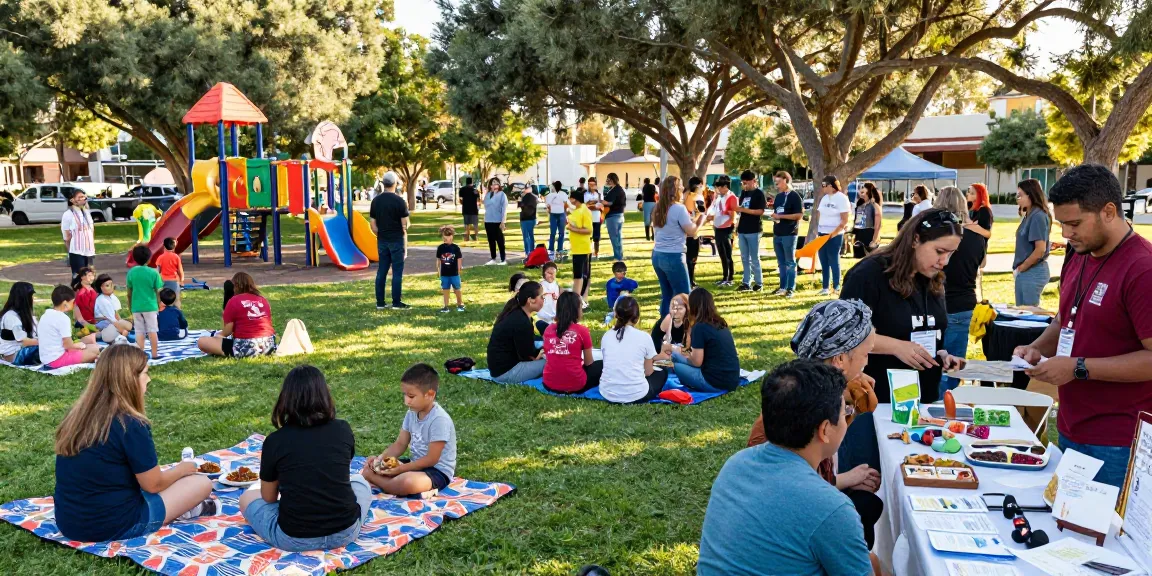
The Importance of Community Engagement
Community engagement is a vital component in building strong, resilient societies. As we progress towards 2026, the role of community involvement becomes even more pronounced, especially in the face of rapid technological advancements and evolving social dynamics. Engaging with our communities not only fosters a sense of belonging but also enhances the quality of life and helps address pressing social issues. By leveraging local resources and fostering relationships among residents and organizations, we create a vibrant ecosystem that supports mutual growth and understanding. When exploring options, https://factors.org.uk provides comprehensive insights into community-driven initiatives that can lead to real change.
What Does Community Engagement Mean?
Community engagement refers to the process by which individuals and organizations collaborate to address common issues, improve their environment, or enhance community life. It involves establishing trust, communication, and participation among stakeholders, including residents, local governments, nonprofits, and businesses. Effective community engagement is not merely about disseminating information but rather about building genuine relationships and empowering residents to take an active role in their community’s development.
Benefits of Community Involvement
There are numerous benefits to fostering community involvement, both for the individuals involved and the broader community as a whole. Some of the key advantages include:
- Empowerment: Residents gain a sense of ownership and responsibility for their community, encouraging proactive problem-solving.
- Social Cohesion: Increased interaction among community members helps foster connections and strengthens social networks.
- Better Decision-Making: Collaborative efforts lead to more comprehensive and informed decision-making processes, taking into account a diverse range of perspectives.
- Enhanced Resources: Engaging local organizations often leads to shared resources, funding opportunities, and support for initiatives.
- Increased Resilience: Communities that are actively engaged are better equipped to face challenges and recover from adversities.
Case Studies: Successful Community Projects
Examining successful community engagement projects provides valuable lessons and insights into effective strategies. For instance:
- The Brooklyn Community Foundation: This initiative focused on rebuilding trust and relationships in an economically disadvantaged area by facilitating community meetings and responsive funding initiatives, resulting in significant social improvements.
- The Village of New Paltz: This upstate New York community engaged in participatory budgeting, allowing residents to decide how to allocate a portion of the municipal budget. This not only increased transparency but also led to projects that directly benefitted the residents.
- Community Clean-Up Initiatives: Many towns have seen revitalization through organized clean-up days where citizens come together to enhance parks and public spaces. This fosters pride and encourages ongoing engagement with the locality.
Strategies for Effective Community Building
Building a thriving community necessitates a combination of strategies that can effectively harness the collective strengths of its members. Here are some actionable tips:
Identifying Community Needs
Understanding the unique needs of a community is the cornerstone of effective engagement. This can be achieved through:
- Surveys and Feedback: Conducting surveys allows residents to voice their concerns and priorities, providing a clear picture of community needs.
- Focus Groups: Engaging small groups in discussions can elicit deeper insights into the motivations and challenges faced by community members.
- Data Analysis: Utilizing demographic and social data can help identify disparities and areas for improvement.
Building Partnerships with Local Organizations
Collaborating with local organizations can amplify efforts and resources. Key steps include:
- Networking: Attend local events and meetings to forge connections with nonprofits, schools, and businesses.
- Shared Goals: Identify mutual interests and goals with partners to ensure that collaborations are beneficial to all parties involved.
- Resource Sharing: Pooling resources, such as funding and volunteer efforts, can significantly enhance the impact of community initiatives.
Utilizing Digital Platforms for Outreach
In today’s digital age, utilizing online platforms can greatly enhance community engagement efforts. Effective methods include:
- Social Media Campaigns: Leveraging platforms like Facebook, Twitter, and Instagram to share information, organize events, and encourage participation.
- Online Surveys and Polls: Utilizing digital tools to gather feedback can make participation easier and more accessible.
- Email Newsletters: Regular updates can keep residents informed about local initiatives and encourage ongoing participation.
Challenges in Community Engagement
While community engagement is crucial, various challenges can impede efforts. Recognizing and addressing these obstacles is essential for success.
Overcoming Common Obstacles
Communities often face challenges such as apathy, misinformation, or lack of resources. Strategies to address these include:
- Building Trust: Establishing transparency and integrity in all communications can help build trust and overcome skepticism.
- Creating Inclusive Opportunities: Ensuring that all voices, especially marginalized groups, are heard and represented fosters a more robust community.
- Incremental Engagement: Start with small, manageable projects to build momentum and demonstrate the benefits of engagement.
Addressing Misinformation and Misconceptions
Misunderstandings can hinder effective engagement. To combat misinformation:
- Clear Communication: Use straightforward language and provide clear explanations about initiatives.
- Fact-Checking: Establish a reliable source of information that community members can refer to for accurate details.
- Engagement Workshops: Hosting workshops can educate community members about relevant issues, breaking down misconceptions.
Examples of Failed Initiatives
Learning from past failures is just as important as celebrating successes. Notable examples include:
- Community Projects with Insufficient Funding: Initiatives that rely solely on volunteer efforts without adequate resources often fail due to burnout and unmet expectations.
- Top-Down Approaches: Programs that do not involve community input often miss the mark, leading to disengagement and resentment.
- Unaddressed Conflicts: Ignoring underlying tensions within the community can derail engagement efforts and exacerbate divisions.
Measuring the Impact of Community Engagement
To ensure the effectiveness of community engagement initiatives, measuring their impact is vital. This can involve various methods and metrics.
Using Data to Assess Engagement Success
Quantitative and qualitative data collection provides insights into engagement levels and outcomes. Key metrics might include:
- Participation Rates: Tracking attendance at events and involvement in initiatives helps gauge interest.
- Surveys: Regular feedback surveys can reveal changes in community sentiment and satisfaction.
- Project Outcomes: Assessing the tangible results of initiatives helps determine overall effectiveness.
Feedback Mechanisms for Continuous Improvement
Creating a culture of feedback allows for ongoing improvements in community initiatives. Some best practices include:
- Regular Check-Ins: Hold periodic meetings to discuss progress and gather feedback from participants.
- Anonymous Feedback Options: Encourage honest feedback by providing anonymous submission options, reducing fear of retaliation.
- Iterative Processes: Use feedback to inform future initiatives, ensuring that they evolve to meet the changing needs of the community.
Success Stories: Metrics to Encourage Participation
Highlighting success stories can motivate community members to engage. Use metrics like:
- Increased Participation: Showcase projects that have seen rising participation rates as a result of effective engagement strategies.
- Positive Impact: Present stories of individuals or groups that have benefited from community initiatives.
- Achieving Goals: Document and share milestones reached due to community involvement, reinforcing the value of participation.
Future Trends in Community Engagement for 2026 and Beyond
As we look towards 2026, community engagement will evolve in response to emerging technologies and demographic shifts. Understanding these trends will be crucial for future success.
Emerging Technology and Its Role in Community Activities
Technological advances can facilitate community engagement in innovative ways. Some potential trends include:
- Virtual Reality: Using VR to create immersive experiences that help community members visualize potential projects or developments.
- Big Data Analytics: Leveraging data analytics to assess community needs and track engagement more effectively.
- Mobile Applications: Developing community-centric apps that streamline communication, organize events, and gather feedback.
Adapting to Changing Demographics and Needs
Communities are becoming increasingly diverse, necessitating adaptive engagement strategies. Considerations include:
- Multilingual Outreach: Providing information in multiple languages to resonate with diverse populations.
- Inclusive Programming: Ensuring activities cater to various age groups, cultural backgrounds, and abilities.
- Flexibility in Engagement: Offering both in-person and online opportunities for participation to accommodate different preferences.
Innovative Approaches to Sustainability and Community Resilience
Future community engagement efforts will likely prioritize sustainability and resilience. Strategies could include:
- Green Initiatives: Encouraging community-led sustainability projects such as community gardens, solar energy initiatives, and recycling programs.
- Disaster Preparedness: Engaging communities in resilience training and planning for natural disasters.
- Adaptive Urban Planning: Involving residents in decisions about urban development that address climate change and social equity.
What Role Does https://factors.org.uk Play in This Landscape?
As we approach 2026, platforms like https://factors.org.uk are positioned to play a pivotal role in facilitating community engagement. By providing resources, support, and a framework for collaborative initiatives, such platforms can empower residents and organizations alike to drive meaningful change. Utilizing data-driven insights and fostering collaboration, they contribute significantly to building resilient communities that are prepared to meet future challenges.