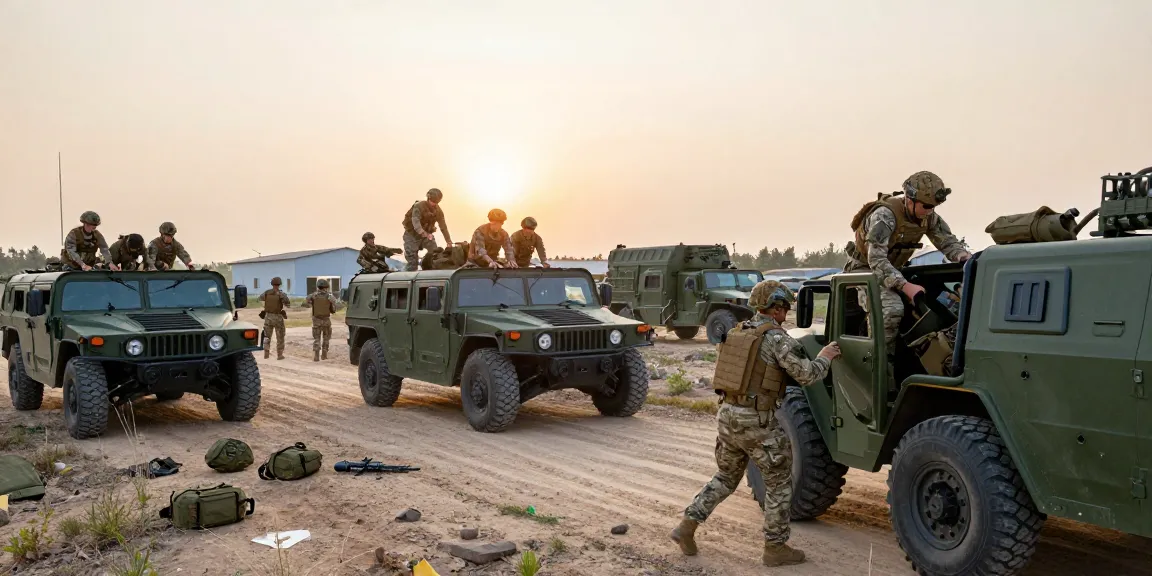
Understanding the Role of 88M Motor Transport Operators
The 88M Motor Transport Operator is a pivotal position within the United States Army, essential for ensuring the seamless operation of vehicle logistics and transportation services. These soldiers play a crucial role in maintaining the flow of personnel and cargo, enabling military operations to run efficiently. With the growing complexities of modern warfare and logistics, understanding the full scope of this role is vital not only for potential recruits but also for military strategists, logistics planners, and those interested in career pathways related to transport and logistics. When exploring options, 88m provides comprehensive insights into this career pathway.
What is an 88M Motor Transport Operator?
As an 88M Motor Transport Operator, soldiers are responsible for operating and supervising wheeled vehicles, ranging from light trucks to heavy cargo vehicles, across various terrains and environments. This role is vital for both combat and non-combat operations, as it involves strategic planning, execution of transportation missions, and ensuring the safety and maintenance of the vehicles in use.
Key Responsibilities and Skills Required
88M Operators are required to possess a diverse skill set, including:
- Vehicle Operation: Mastery in operating all types of tactical wheeled vehicles.
- Maintenance Knowledge: Familiarity with routine maintenance and troubleshooting of vehicles.
- Logistical Coordination: Ability to plan transportation routes and schedules effectively.
- Team Collaboration: Working closely with other military personnel to coordinate transport logistics.
This multifaceted role demands an attention to detail and the ability to adapt to dynamic operational environments.
Importance of Logistics in Military Operations
The significance of logistics cannot be overstated in military operations. Effective logistics ensures that troops have the necessary supplies, equipment, and transportation to fulfill their missions. The 88M Motor Transport Operators are at the forefront of this operation, directly impacting mission success through their expertise in handling and transporting critical assets.
Training Pathways for Future 88M Operators
Basic Combat Training Overview
Every soldier in the U.S. Army begins their journey with Basic Combat Training (BCT), which lasts approximately 10 weeks. BCT prepares recruits physically and mentally for military life, focusing on fitness, discipline, and fundamental soldiering skills. This initial stage is crucial for instilling the core values and teamwork principles necessary for success in military service.
Advanced Individual Training Breakdown
After completing BCT, soldiers move on to Advanced Individual Training (AIT) for the 88M MOS, which lasts for about six weeks and three days. This specialized training focuses on vehicle operation, maintenance, transportation safety protocols, and logistical support. Under the guidance of experienced instructors, recruits gain hands-on experience with military vehicles, preparing them for real-world challenges.
Continuous Learning and Certification Options
Post-training, 88M operators are encouraged to pursue various certifications and continuous education opportunities. The Army offers pathways to obtain licenses for different vehicle types, as well as professional development programs aimed at enhancing leadership and logistical planning skills. This continuous learning ensures that operators stay ahead of technological advances and evolving military strategies.
Common Challenges Faced by 88M Operators
Vehicle Maintenance and Safety Protocols
One of the primary challenges faced by 88M operators is maintaining the vehicles in optimal condition. This includes routine checks, repairs, and adherence to safety protocols. The complexity of military vehicles requires operators to possess a good understanding of mechanics, which can be daunting, especially under time constraints.
Operational Stress and Team Dynamics
Additionally, the demanding nature of military operations necessitates strong team dynamics. The ability to work effectively within a team, under stress, and during high-pressure situations is crucial. Communication skills, emotional intelligence, and problem-solving abilities are essential for navigating these challenges.
Adapting to Emerging Technologies in Transportation
As military logistics evolve, 88M operators must adapt to new technologies. This includes the integration of advanced tracking systems, automated vehicles, and updated communication tools. Training programs are continually updated to incorporate these innovations, ensuring that operators remain proficient and competitive.
Real-World Applications of 88M Skills
Case Studies of Successful Missions
Real-world applications of 88M skills can be observed in various military missions. For instance, during humanitarian aid missions, 88M operators efficiently coordinated the transport of supplies to affected regions, showcasing their logistical expertise and problem-solving abilities under pressure. These successful missions highlight the importance of their role beyond just transportation.
Civilian Career Paths Post-Military Service
Veterans of the 88M position have valuable skills that are highly sought after in civilian life. Many transition into roles within logistics, transportation management, and fleet operations. Their experience in managing high-stakes logistics and maintaining vehicles is invaluable in industries such as freight transport, disaster management, and government services.
Volunteer Opportunities and Community Engagement
Aside from potential career advancements, many former 88M operators engage in community service and volunteering, applying their logistical skills in local organizations and non-profits. This not only helps them stay connected but also allows them to give back to their communities.
Future Trends for 88M Motor Transport Operators
Technological Advancements in Military Logistics
The landscape of military logistics is evolving rapidly, driven by technological advancements. Future 88M operators will likely encounter innovative solutions such as autonomous vehicles, enhanced data analytics for route optimization, and real-time tracking systems that improve efficiency and safety.
Predictions for 2026 and Beyond
In the coming years, we can expect a significant shift towards integrating smart technologies into military logistics. This will not only enhance operational efficiency but also reduce the risk associated with transport missions. The ability to leverage data and predictive analytics will redefine how military transportation is executed.
Preparing for Shifts in Military Transportation Strategies
To stay ahead, 88M operators must be proactive in their learning and professional development. Engaging with new technologies, participating in relevant training, and remaining adaptable will be key strategies for success. The military is likely to continue evolving its transport strategies to meet modern warfare needs and operational demands.
What are the key benefits of becoming an 88M?
Choosing to become an 88M Motor Transport Operator offers numerous benefits, including:
- Skill Development: Operators gain valuable mechanical and logistical skills applicable in civilian roles.
- Career Advancement: Opportunities for leadership roles and specialized training enhance career prospects.
- Job Security: Military logistics is a critical field with a consistent need for skilled operators.
Is prior experience beneficial for 88M roles?
While prior experience can be advantageous, it is not a prerequisite to join the 88M ranks. The comprehensive training provided by the Army equips recruits with the necessary skills to succeed, regardless of their background.
What is the career progression for 88M Operators?
Career progression for an 88M operator can lead to roles such as transportation supervisor, logistics coordinator, and even high-level positions within military logistics planning. The experiences gained can also pave the way for civilian careers in transport management and operational logistics.
How does 88M training prepare for civilian careers?
The training received by 88M operators provides a solid foundation for civilian careers. Skills such as vehicle maintenance, logistical support, and effective communication are transferable to various industries, particularly in sectors like logistics, transportation, and fleet management.
What are common misconceptions about 88M MOS?
One common misconception is that the role is solely focused on driving. In reality, 88M operators engage in a wide range of responsibilities that include planning, maintenance, and logistics coordination. Understanding the full scope of the role is crucial for prospective recruits.