Understanding Felt Roofing
Felt roofing is a popular choice for many homeowners due to its durability, affordability, and ease of installation. This roofing method has evolved over the years, offering modern solutions that are efficient and reliable for various types of buildings. Knowing the ins and outs of felt roofing can help you make informed decisions when it comes to installation or repair. If you're considering a felt roof, our services can provide insights and resources to assist you in locating professionals. Explore options like felt roof specialists near you to ensure you receive quality work.
What is a Felt Roof?
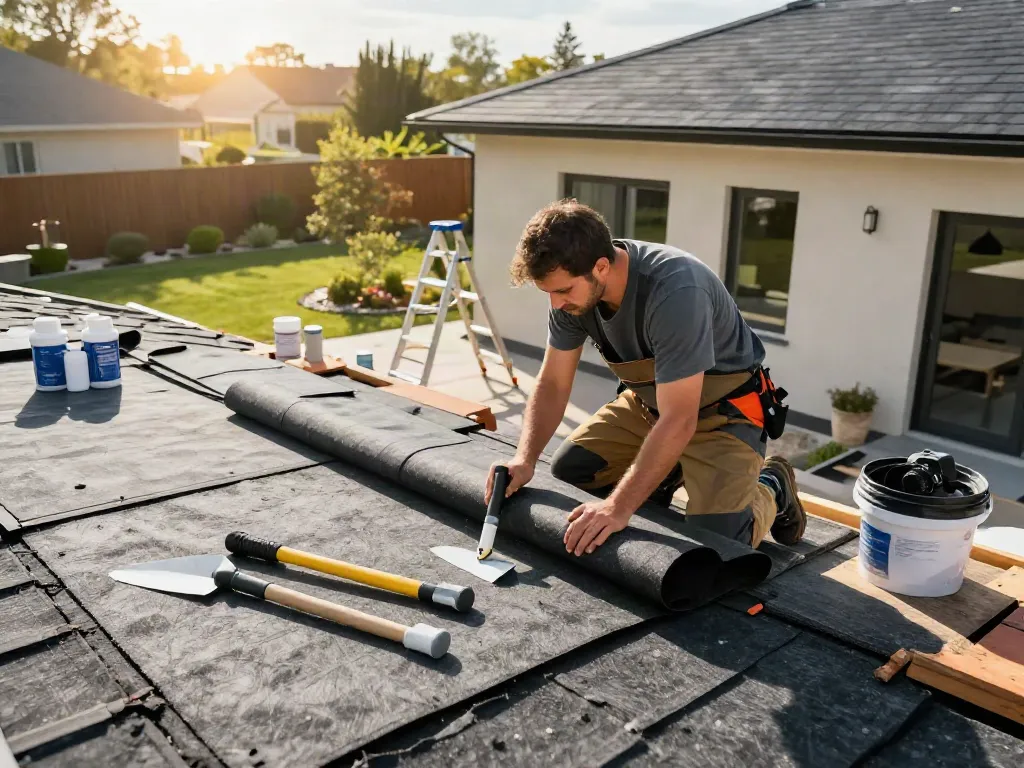
A felt roof is a type of flat roofing solution typically made from bitumen-impregnated felt material. These roofs are often used for garages, sheds, extensions, and other structures where a low pitch is necessary. The installation process involves laying multiple layers of waterproof felt, which are bonded together to provide a strong and weather-resistant covering. Felt roofing systems are known for their versatility and can be installed over a wooden or metal deck, making them suitable for various applications.
The Benefits of Using Felt Roofing
Felt roofing offers numerous advantages, including:
- Cost-Effectiveness: Compared to other roofing materials, felt is generally less expensive, making it a budget-friendly option for homeowners.
- Quick Installation: The installation process is straightforward and can often be completed in a single day, reducing labor costs significantly.
- Durability: Modern felt roofing systems are designed to withstand various weather conditions, providing long-lasting protection against rain, wind, and snow.
- Low Maintenance: Once installed, felt roofs require minimal maintenance, which can save you time and money in the long run.
Common Misconceptions About Felt Roofs
Despite its many benefits, felt roofing is often misunderstood. Some common misconceptions include:
- Felt roofs are not durable: With advancements in technology, modern felt roofing systems are much more robust than older versions.
- They're prone to leaks: Proper installation by experienced professionals can effectively prevent leaks and prolong the life of the roof.
- They're not eco-friendly: Newer felt roofing systems can incorporate recycled materials, making them a more sustainable choice.
Choosing the Right Materials
Selecting the right materials is crucial to achieving a successful and long-lasting felt roof. There are various types of felt roofing materials available, each with unique properties that cater to different needs.
Types of Felt Roofing Materials
The two primary types of felt roofing materials are:
- Bitumen Felt: This is the most common type of felt, available in both smooth and mineral-surfaced options. It's durable and offers excellent waterproofing.
- Synthetic Felt: Made from advanced polymers, synthetic felt is lighter and can provide better protection against UV rays, ensuring a longer lifespan.
Comparing Costs and Durability
When comparing felt roofing options, it's essential to consider both the initial costs and the long-term durability. While synthetic felts may have a higher upfront cost, they can offer more extended warranties and reduced maintenance costs, making them a better investment in the long run.
Eco-Friendly Options for Felt Roofing
For environmentally conscious homeowners, eco-friendly felt roofing options are becoming increasingly popular. These materials utilize recycled elements and are often designed for better energy efficiency. Selecting eco-friendly options can contribute to lower energy bills and a reduced carbon footprint.
Installation Best Practices
Proper installation is fundamental to the effectiveness of felt roofing. By following best practices, you can ensure that your roof performs optimally.
Pre-Installation Checklist
Before installation, consider the following:
- Check local building codes and regulations to ensure compliance.
- Inspect the roof deck for any signs of damage or rot.
- Gather all necessary materials and tools to avoid delays during the project.
Step-by-Step Guide to Install Felt Roofing
- Prepare the roof deck by cleaning and repairing any damage.
- Measure and cut the felt material to fit your roof dimensions.
- Lay the first layer of felt, ensuring it overlaps adequately with the edges.
- Use a torch or adhesive to bond the layers together, ensuring a seamless waterproof barrier.
- Finish by installing any necessary edging or flashing to protect vulnerable areas.
Common Mistakes to Avoid During Installation
To ensure a successful installation, avoid these common pitfalls:
- Neglecting to properly prepare the roof deck.
- Overlapping seams incorrectly, which can lead to leaks.
- Using inadequate adhesives or heat, resulting in poor bonding between layers.
Maintenance and Repair Tips
Regular maintenance is essential for extending the life of your felt roof. Identifying when repairs are needed can prevent more severe damage down the line.
Understanding When to Repair or Replace
Knowing the signs of wear can help you determine when it’s time to repair or replace your felt roof. Look for:
- Visible tears or punctures in the felt material.
- Water pooling or standing on the surface after rain.
- Loose seams or edges that are coming apart.
Regular Maintenance Practices for Longevity
To maintain your felt roof, consider these simple practices:
- Conduct regular inspections, especially after severe weather.
- Keep roof surfaces clear of debris and vegetation.
- Ensure that drainage systems are functioning correctly to prevent water buildup.
Identifying and Fixing Common Issues
Common issues include blistering, leaks, and ponding water. These can often be fixed by:
- Sealing small punctures or tears with appropriate roofing sealant.
- Replacing damaged sections of felt material.
- Improving drainage solutions to prevent water accumulation.
Future Trends in Felt Roofing
As technology and environmental awareness evolve, felt roofing is not left behind. Here are some trends to watch for in the coming years.
Emerging Technologies in Roofing Materials
Innovations in roofing materials are leading to more durable and sustainable felt options. Self-healing surfaces and enhanced thermal properties are two developments making waves in the industry.
Sustainability in Roofing Solutions for 2026
With increasing focus on sustainability, the demand for eco-friendly roofing solutions will rise. This includes the use of recycled materials and manufacturing processes that reduce environmental impact.
Expert Predictions on Roofing Trends
Experts predict that as technology continues to advance, automation in installation processes could become more prevalent, ensuring quicker and more efficient roofing solutions. Additionally, more homeowners will prioritize energy efficiency, influencing the types of materials chosen for roofing projects.
What are the disadvantages of felt roofing?
While felt roofing has many benefits, some disadvantages include its vulnerability to punctures and UV degradation over time. Proper installation and maintenance can mitigate these issues, but it’s essential to consider these factors when making a decision.
Is felt roofing waterproof?
Felt roofing is water-resistant and designed to provide adequate protection against rain and moisture. However, proper installation is key to ensure that it performs as expected.
How long does a felt roof last?
When well-maintained, a felt roof can last anywhere from 10 to 20 years. Factors such as climate, installation quality, and material type will impact its lifespan.
Can you install felt roofing in winter?
Installing felt roofing in winter is possible but can be challenging due to cold temperatures affecting adhesive properties and installation techniques. Careful planning and considerations must be taken to ensure proper bonding and sealing.
What factors affect felt roof costs?
Several factors contribute to the overall cost of a felt roof, including:
- The size and complexity of the roof.
- The type of felt material chosen.
- Labor costs in your area.
- Additional features such as insulation or drainage systems.