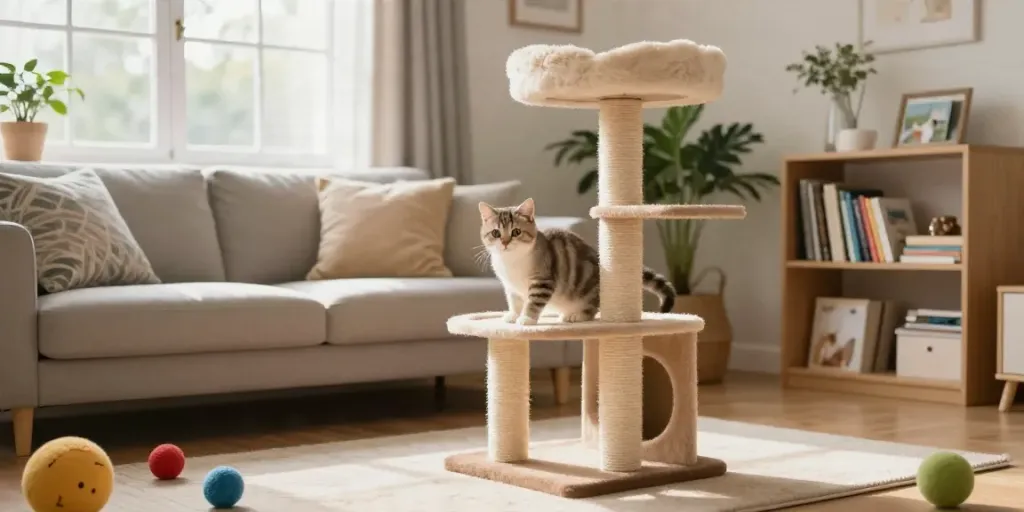
Understanding the Benefits of a Cat Tree
For cat owners, providing an environment that promotes playfulness and comfort is essential. A cat tree serves as a multifunctional structure that can enhance your feline friend's overall well-being. These vertical playgrounds are not only fun but they also address various behavioral needs that cats have. In this section, we will delve into the fundamental benefits of having a cat tree at home, focusing on why they are a worthwhile investment for pet owners.
Why Cat Trees Are Essential for Pet Owners
Cat trees provide a safe space for your cats to climb, scratch, and observe their surroundings, mimicking their natural instinct to explore elevated areas. When these structures are well-designed, they can also add an aesthetic touch to your home. They encourage physical activity, which is crucial for maintaining a healthy weight and preventing obesity, a common concern among indoor cats.
Moreover, a cat tree can serve as a refuge for shy or anxious cats, offering them a designated area where they can retreat and feel secure. By providing multiple levels and hiding spots, a cat tree caters to the different personalities and preferences of your feline companions, fostering a sense of safety and comfort.
How Cat Trees Promote Healthy Play
Interactive play is vital for a cat's physical and mental health. Cat trees encourage independent playtime, allowing cats to engage their natural hunting instincts by climbing, jumping, and pouncing. Many cat trees also come equipped with additional elements such as dangling toys or scratching posts, which enhance the play experience.
For kittens, the introduction of a cat tree can be pivotal. It allows them to develop their climbing skills and balance early on. Adult cats benefit from the exercise, while seniors can enjoy the benefits of gentle climbing without straining too much. The variety of activities provided by a cat tree ensures that your cat remains stimulated and engaged over time.
Understanding Feline Behavior and Cat Trees
Cats are naturally territorial creatures that appreciate having their own space. A cat tree offers them designated areas that they can call their own, which reduces territorial disputes between multiple cats in a household. Additionally, climbing structures like these cater to their instinctual need to survey their territory from a height, making them feel secure and in control.
Moreover, the scratching surfaces on a cat tree can help fulfill a cat's urge to scratch, which is essential for their claw maintenance and to mark their territory. By providing an appropriate outlet for scratching, a cat tree can also help protect your furniture and other household items from damage.
Choosing the Right Cat Tree for Your Home
When selecting a cat tree, it's important to consider various factors to ensure that it meets the needs of your feline friend while also fitting into your living space. Not all cat trees are created equal, and understanding the key features can help you make an informed decision.
Key Features to Look for in a Cat Tree
When browsing for the perfect cat tree, keep an eye out for the following features:
- Stability: Ensure the cat tree is sturdy enough to withstand your cat's weight and activity level.
- Height: Consider a design that offers multiple levels, allowing your cat to climb and jump safely.
- Scratching Surfaces: Look for trees that are equipped with various scratching materials, like sisal or cardboard, to cater to different scratching preferences.
- Hideaways: Cats enjoy having secluded spots, so choose trees that feature enclosed spaces or cubed designs.
- Materials: Opt for high-quality materials that provide durability, safety, and comfort for your pet.
Understanding Size and Space Requirements
Before making a purchase, evaluate the space where the cat tree will be placed. Larger trees may require a significant amount of floor space, while smaller models are better suited for apartments or homes with limited square footage. It's essential to ensure that the tree will fit comfortably in your living area without causing obstructions.
Furthermore, consider how many cats you have. If you reside with multiple felines, opt for a larger cat tree that can accommodate more than one cat at a time, reducing potential conflicts and ensuring every cat has access to the climbing and hiding areas.
Cat Tree Material Comparisons: Wood vs. Fabric
Cat trees come in various materials, with wood and fabric being the most common. Wooden cat trees are durable and often have a more elegant appearance, making them a stylish addition to your home. However, they can be heavier and pricier. Fabric-covered cat trees, on the other hand, may be lighter and easier to clean, but they may not withstand heavy use as well as their wooden counterparts.
When selecting a material, think about your cat's habits. If they are avid scratchers, a sturdier design might be necessary. If your cat prefers to lounge, a softer surface could be more appealing.
Setting Up Your Cat Tree for Maximum Use
The placement and setup of your cat tree can significantly influence how much your cat enjoys it. To maximize its use, pay attention to the following factors:
Optimal Location for Your Cat Tree
Place the cat tree in an area that receives natural light and is away from heavy foot traffic. Cats enjoy observing their surroundings, so positioning the tree near a window can provide them with hours of entertainment as they watch birds and other wildlife. Additionally, consider the noise level in the vicinity, as a quiet spot is more appealing for a cat's relaxation and playtime.
Incorporating Interactive Toys
Enhance your cat tree setup by integrating interactive toys. Attach feather wands, balls, or string toys that hang from perches or platforms. These additions can increase interest and encourage playful behavior, ensuring your cat stays active and engaged. Rotate these toys periodically to keep things fresh and exciting.
Promoting Exploration and Comfort
Encouraging your cat to explore the entire structure is essential. You can accomplish this by placing treats or catnip on different levels of the tree. Additionally, ensure that the tree is comfortable by adding soft blankets or cushions to the resting areas, making it a pleasant spot for snoozing after playtime.
Maintaining Your Cat Tree for Longevity
A cat tree can be a long-term investment if properly maintained. Following these maintenance tips can help ensure that your cat tree remains functional and safe for your feline friends.
Cleaning and Care Tips for Cat Trees
Regular cleaning is crucial to maintain hygiene, especially if you have multiple pets. Vacuum the tree weekly to remove fur and debris, and spot clean any stains with pet-safe cleaners. For deep cleaning, refer to the manufacturer's guidelines, which may advise disassembling parts of the tree for thorough washing.
Inspect the tree for signs of wear and tear regularly. Cracked wood or frayed fabric can pose safety risks and should be addressed immediately. Keeping the tree in good condition ensures a safer play and resting environment for your cats.
When to Replace Your Cat Tree
Even with proper maintenance, cat trees will eventually wear out. Signs that it's time to replace your cat tree include significant wobbling, broken parts, or if the scratching areas have become ineffective. Replacing the tree early can prevent potential injuries to your cats and maintain their playful environment.
DIY Modifications and Upgrades
If you’re handy with tools, consider making DIY upgrades to your cat tree. Adding new scratching posts or creating new platforms can extend its usability. You can also modify the design to suit your home better and cater to your cats’ specific needs.
Future Trends in Cat Trees for Cats in 2026
As we look ahead, the design and functionality of cat trees continue to evolve, incorporating innovative materials and tech features. Understanding these trends can help you choose the best product for your feline companions in the future.
Innovative Features to Expect in New Designs
The upcoming years will see an increase in cat trees that incorporate interactive technology, such as built-in sensors that can track your cat's activity levels or even dispense treats when they engage with the structure. This technological integration will not only enhance the play experience but also help monitor your cat's health.
Sustainability and Eco-Friendly Materials
As pet owners become more environmentally conscious, we can expect to see a rise in eco-friendly cat trees made from sustainable materials. Bamboo, recycled plastics, and non-toxic fabrics are likely to become standard, appealing to customers looking for greener options.
Smart Cat Trees: Tech Integration and Features
Smart cat trees will likely feature app connectivity, allowing owners to monitor their pet’s activities, play with them remotely, or receive alerts when their cat engages with the tree. This integration promises to redefine interactive play for cats in ways that we haven't seen before.
What are the advantages of a cat tree?
The advantages of a cat tree are multifaceted. They provide exercise, mental stimulation, comfort, and can help mitigate undesirable behaviors, such as scratching furniture. By offering a designated space for climbing, scratching, and resting, they cater to a cat’s natural instincts.
Can multiple cats share a single cat tree?
Yes, multiple cats can share a single cat tree, particularly if it is large enough to accommodate them all. Look for designs with multiple levels, platforms, and hideaways to reduce conflicts and allow each cat to have its space.
How do I choose the right size cat tree for my home?
Choose a cat tree size based on the number of cats you have and the space available in your home. Larger trees are ideal for multi-cat households, while more compact options work well for smaller spaces. Always measure the area before purchasing to ensure a good fit.
What materials are best for a cat tree?
The best materials for a cat tree largely depend on your cat's behaviors. Wood is sturdy and durable, while fabric is soft and comfortable. Consider combining both materials for a balance of stability and comfort, ensuring the tree can withstand daily use.
Are there any health benefits of using a cat tree?
Yes, cat trees promote physical health by encouraging exercise, maintaining a healthy weight, and providing mental stimulation. They also support nail health through scratching and offer safe environments for stress relief, contributing to overall well-being.