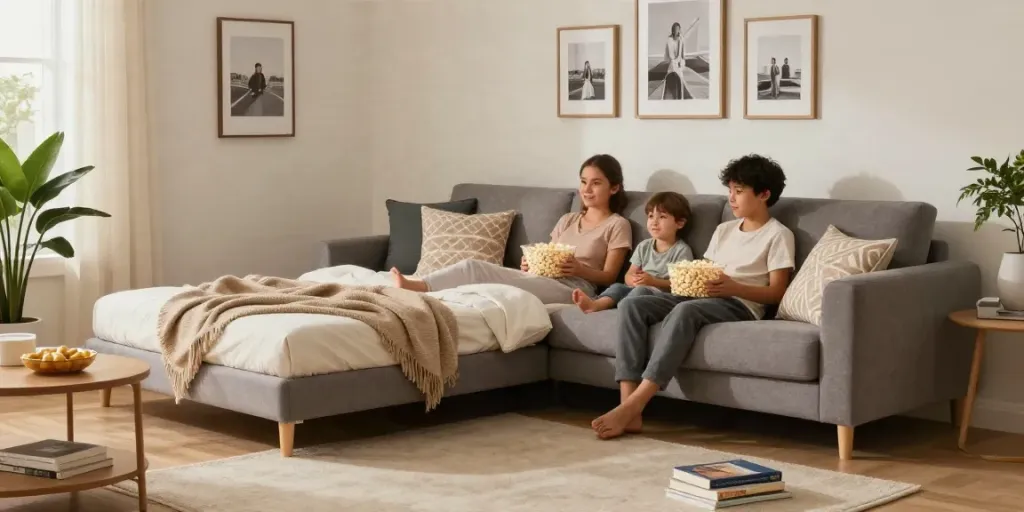
The Perfect Fit: Measuring for Corner Sofas
Finding the right corner sofa for your living space can elevate your home’s comfort and aesthetic. As you explore options, corner sofas represent a popular choice for many UK households due to their versatile design and ability to maximize seating without overwhelming a room. By ensuring a precise measurement of your space, you can choose a sofa that not only complements your decor but also accommodates your lifestyle.
How to Measure Your Space for Corner Sofas?
Before making a purchase, it’s essential to accurately measure the area where you plan to place your corner sofa. Start by considering the following steps:
- Identify the Area: Determine where in the room the corner sofa will sit. Consider walls, windows, and other furniture that could influence placement.
- Measure Dimensions: Use a tape measure to find the length and width of the space. Don’t forget to account for any additional space needed for movement.
- Mark the Footprint: Use painter’s tape to outline the dimensions on the floor. This will help you visualize the size of the sofa in relation to other furniture.
- Consider Doorways: Ensure that the sofa can fit through doorways and hallways during delivery by measuring these access points as well.
Understanding Sofa Sizes: Small vs. Large Corner Sofas
Corner sofas are available in various sizes to fit both compact and spacious living areas. Small corner sofas are ideal for cozy spaces, allowing for efficient use of limited floor area. These designs often feature a chaise lounge that does not overwhelm the room, enabling a comfortable seating arrangement without compromising space. Conversely, large corner sofas provide more seating capacity, making them suitable for bigger family rooms or open-plan layouts where social gatherings occur frequently.
Common Mistakes When Measuring for a Corner Sofa
Measuring for a corner sofa can be straightforward, but common pitfalls can lead to improper fit:
- Overlooking Clearance Space: Failing to measure space for walkways can restrict movement and create an uncomfortable layout.
- Not Considering Armrest and Back Height: These dimensions can affect how well the sofa fits under windowsills or in relation to low ceilings.
- Ignoring Additional Furniture: Make sure to account for other pieces in the room; a corner sofa should complement, not clutter.
Fabric Choices for Corner Sofas
Choosing the right fabric for your corner sofa can significantly affect both comfort and style. With a variety of materials available, understanding their characteristics is essential for making the best choice.
The Best Fabrics for Comfort and Style
When it comes to corner sofas, some of the best fabric options include:
- Chenille: Soft and durable, this fabric offers a plush feel that enhances comfort.
- Linen: A breathable option that comes in various colors, linen adds an elegant touch while being suitable for warm climates.
- Microfiber: Known for its stain resistance, microfiber is an excellent choice for families and pets.
- Leather: Timeless and stylish, leather sofas can elevate the aesthetics of any room while being easy to clean.
Understanding Fabric Maintenance for Longevity
Each fabric type requires different maintenance to ensure it lasts. Regular cleaning can prevent stains and prolong the life of your sofa:
- Vacuum Regularly: Use a vacuum to remove dust and debris from fabric sofas to keep them looking fresh.
- Spot Clean: For stains, act quickly and use the appropriate cleaner based on the fabric type. Always test in an inconspicuous area first.
- Professional Cleaning: Schedule deep cleaning periodically, especially for upholstery that sees frequent use.
Comparing Natural Leather vs. Fabric Corner Sofas
The choice between leather and fabric corner sofas often comes down to personal preference and intended use:
- Leather Sofas: Offer durability and a chic appearance but can be susceptible to scratches and temperature changes.
- Fabric Sofas: Available in various prints and textures, these provide warmth and are typically softer to the touch but may be more prone to staining.
Modular Corner Sofas: Flexibility and Functionality
Modular corner sofas have gained popularity for their customizable configurations, allowing homeowners to adapt their seating arrangements to meet specific needs.
Benefits of Modular Layouts in Corner Sofas
Here are some key advantages of modular corner sofas:
- Customizable Design: With various sections available, you can configure your sofa to fit any space better.
- Flexibility: Modular sofas can be rearranged easily as room layouts change, making them practical for various occasions.
- Extra Storage: Many modular designs offer built-in storage solutions, perfect for keeping living spaces organized.
Combining Sections: Customizing Your Sofa Arrangement
When customization is a priority, modular corner sofas offer endless possibilities. Combine different sections to create unique layouts that suit your space:
- Adding Chaise Lounges: Enhance comfort by incorporating a chaise section for relaxation and lounging.
- Incorporating Ottomans: Use ottomans as flexible seating or footrests, adding functionality without sacrificing style.
- Creating Separate Zones: Use modular sections to divide spaces in larger rooms or open-plan apartments for a cozier feel.
Creative Ideas for Modular Corner Sofa Use
Get inspired with creative uses for modular corner sofas:
- Home Theatre Setup: Arrange your sofa in a semi-circle for a perfect viewing experience with family or friends.
- Play Area Integration: Combine a modular sofa with soft play mats in a family room for a fun, interactive environment.
- Guest Room Conversion: Turn your living room into a guest-friendly space by incorporating modular sofas that can double as beds.
Corner Sofas for Small Spaces
Not every home has the luxury of ample space, but corner sofas can still offer stylish solutions for compact living environments. The right choice can create the illusion of space while providing maximum comfort.
Choosing the Right Corner Sofa for Compact Living Rooms
When selecting a corner sofa for smaller rooms, consider the following:
- Proportions Matter: Look for a sofa that harmonizes with your room’s dimensions. Opt for slim arms and leaner profiles to maximize seating without bulk.
- Light Colors: Sofas in light or neutral tones can make a room feel larger and airier compared to dark fabrics.
- Multi-Functional Designs: Seek out corner sofas that offer built-in storage or can convert into beds for guests.
Design Tips for Making Small Spaces Feel Bigger
Consider these design tips to enhance the perception of space:
- Mismatched Furniture: Mix and match furniture styles to create a visual interest that distracts from the size of the room.
- Vertical Lines: Use tall bookshelves or artwork to draw the eye upward, creating the illusion of higher ceilings.
Functional Features in Corner Sofas for Small Areas
Evaluate the functional features that can help maximize your sofa's utility:
- Reclining Options: Some corner sofas come with reclining features, providing personalized comfort without requiring extra space.
- Adjustable Headrests: This allows for customized support while preserving sleek lines in compact areas.
FAQs About Corner Sofas
As you contemplate your corner sofa purchase, here are answers to some frequently asked questions that will aid in your decision-making process.
Can a Corner Sofa be Placed in the Middle of a Room?
Yes, corner sofas can effectively serve as room dividers, creating distinct zones in open-plan spaces. Just ensure that the back of the sofa is fully upholstered for a polished look.
What Are the Delivery Options for Corner Sofas?
Delivery options vary by vendor, but many services offer free delivery and assembly. Always check for specifics based on your location before making a purchase.
Do Modular Corner Sofas Offer Sleeping Functions?
Many modular corner sofas incorporate sleeping functions, making them a versatile addition to homes. These designs are perfect for accommodating overnight guests without the need for a dedicated guest room.